A Beginner’s Guide to Noticing Seasonal Flowers on Everyday Walks
One of the easiest ways to make an ordinary walk more interesting is to start noticing what is flowering. You do not need to identify every species or turn the walk into a lesson. Simply paying attention to color, shape, location, and timing can make familiar streets, parks, and paths feel different from week to week.
Start with what changes, not with names
Beginners often assume that noticing plants means knowing their names. It does not. Begin by asking simpler questions: Is this the first time you have seen this color here? Are the flowers growing in shade or sun? Are they low to the ground or high on a shrub? Do they appear alone or in large groups?
Photograph one detail clearly
If you want to remember what you saw, take one clear photograph rather than many distant ones. Include the flower and a little of the leaf or stem when possible. A second wider photograph can show where it was growing. These two views are usually more useful than a large collection of nearly identical images.
Return to the same route
Seasonal change becomes much easier to notice when the route is familiar. A path that seemed unchanged in early spring may look completely different three weeks later. Repeating a short walk lets you see which flowers disappear quickly, which remain for months, and which areas change first.
Use color as a simple memory tool
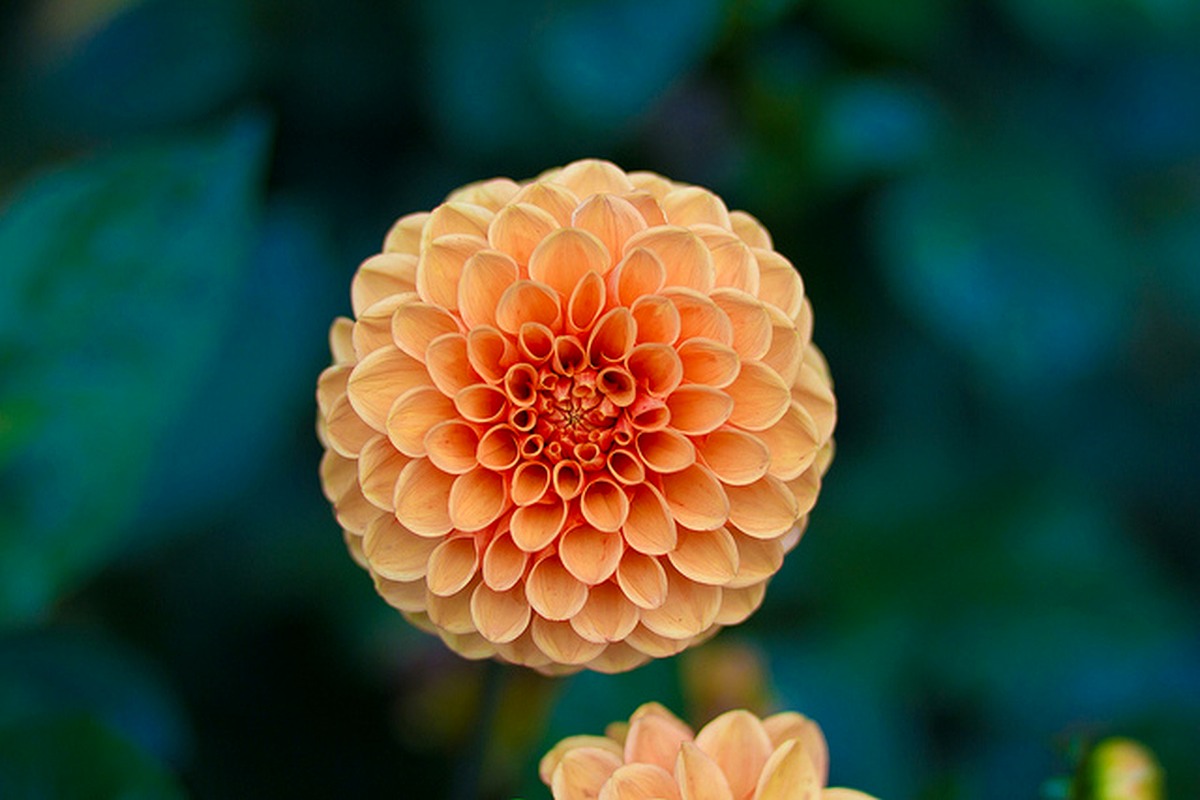
Instead of trying to remember names, keep a mental note of color and shape: small yellow clusters, pale pink bells, large orange heads, tiny white stars. Later, if you want to identify a plant, those details make searching much easier.
Leave wild plants where they are
In parks, nature reserves, and roadside habitats, the best default is simply to look and photograph. Picking flowers can damage small populations, and some areas have specific rules protecting plants. Observation is enough.
Paying attention to flowers changes the scale of a walk. Instead of measuring the route only in distance or time, you begin to notice small events: the first bloom after a cold week, a patch that suddenly appears beside a fence, or a familiar plant fading as another takes its place. That is a simple way to make everyday outdoor time feel more varied without going anywhere new.